
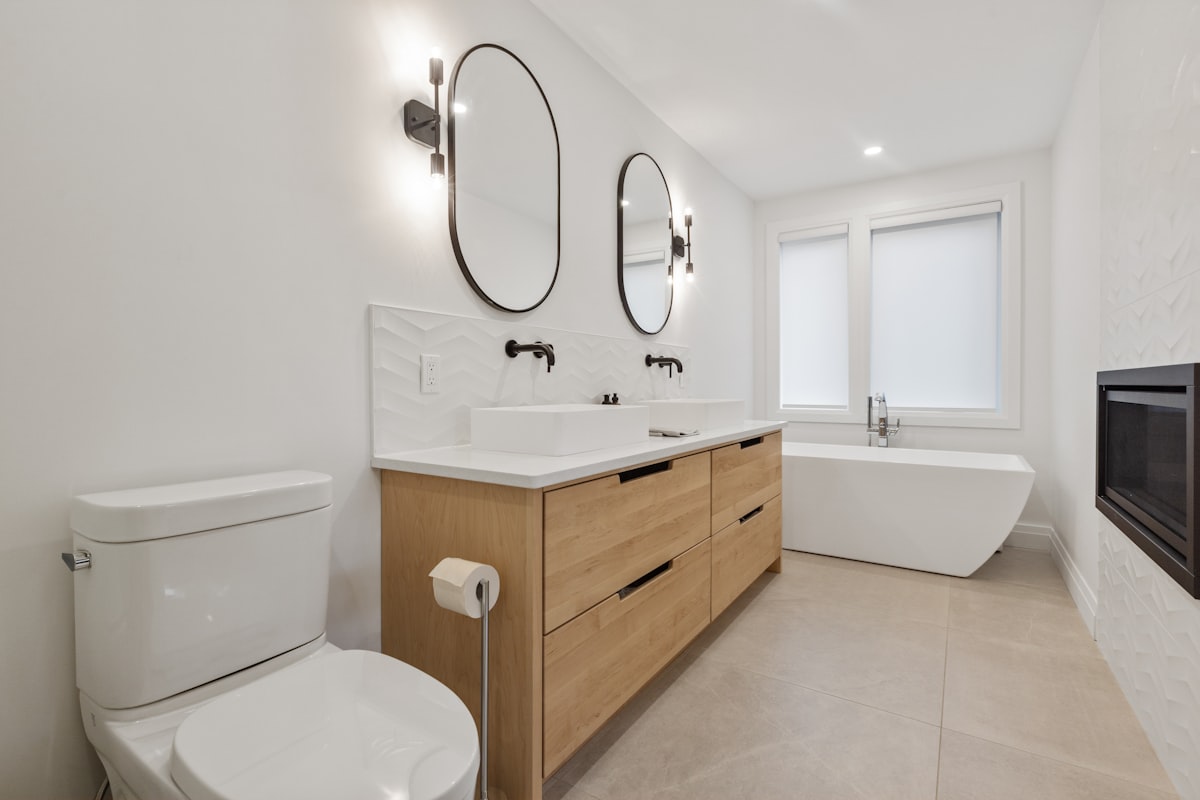
The Complete Approach to Renovating Bathrooms: Style, Function, and Value
The bathroom is no longer just a functional utility room tucked away in a corner of the house. In the modern home, it serves as a personal sanctuary, a place of transition where we prepare to face the world in the morning and wash away the stress of the day at night. Over years of daily use, however, these spaces naturally begin to show signs of wear, or they simply fall out of touch with contemporary design standards and personal lifestyle changes.
Taking the step to begin renovating bathrooms is a significant decision that promises both immediate comfort and long-term financial rewards. It is a creative process that allows homeowners to customize their environment, introducing modern technology, improved energy efficiency, and elegant aesthetics. When executed thoughtfully, a renovated bathroom becomes a seamless blend of practical utility and peaceful luxury.
However, the path to a beautifully updated space is paved with numerous decisions, from structural considerations to the finest decorative details. Homeowners must navigate the complexities of plumbing, electrical wiring, waterproofing, and spatial design. Balancing these technical requirements with aesthetic desires is the core challenge of any renovation project.
Beyond the immediate lifestyle benefits, updating these essential spaces is one of the most reliable ways to increase a property's market value. Real estate experts consistently note that clean, modern, and well-designed wet areas are key selling points for prospective buyers. A thoughtful renovation ensures that your home remains competitive and appealing in any market.
Whether you are looking to refresh a small guest powder room or completely overhaul a spacious family bathroom, a clear understanding of the process is essential. By focusing on smart planning, material selection, and professional execution, you can transform your vision into a durable, beautiful reality.
Planning the Perfect Layout
Before selecting tiles or purchasing high-end fixtures, the physical layout of the space must be carefully evaluated. The footprint of your bathroom dictates what is possible and helps prevent costly mistakes during the construction phase.
Evaluating Existing Plumbing
One of the most crucial decisions in renovating bathrooms is whether to keep the existing plumbing layout or relocate the fixtures. Keeping toilets, sinks, and showers in their original positions is almost always the most cost-effective approach. Moving drain lines and water supply pipes requires opening walls and floors, which significantly increases labor costs and extends the project timeline. If the current layout is functional, focusing your budget on upgrading materials and fixtures rather than moving pipes is often the smartest strategy.
Creating Efficient Spatial Flow
A well-designed bathroom must feel comfortable to move around in, regardless of its physical dimensions. This means adhering to standard clearance recommendations around the toilet, sink, and shower. Ensure there is ample room for cabinet doors and drawers to open fully without hitting other fixtures. Additionally, consider the swing of the main entry door; sometimes, switching to a pocket door or an outward-swinging door can instantly free up valuable square footage in a tight space.
Selecting Materials for Longevity and Style
Bathrooms are unique environments subjected to constant moisture, temperature fluctuations, and daily wear. Therefore, selecting the right materials is not just about looks; it is about durability and ease of maintenance.
Choosing the Right Flooring and Wall Tiles
Tiles are the defining feature of most bathrooms, offering endless design possibilities. Porcelain and ceramic tiles remain the top choices due to their water resistance, durability, and ease of cleaning. Porcelain is particularly dense and impervious to moisture, making it ideal for shower floors and walls. When choosing floor tiles, look for options with a textured slip-resistant surface to ensure safety when wet. Natural stone, while beautiful, requires regular sealing and more delicate maintenance, which is an important factor to consider for busy households.
Selecting Durable Countertops and Vanities
The vanity is often the focal point of the room. It needs to provide adequate storage while standing up to water splashes and cosmetic spills. Quartz has become incredibly popular for bathroom countertops because it is non-porous, stain-resistant, and requires no sealing, unlike marble or granite. For the vanity cabinet itself, look for solid wood, plywood, or high-quality medium-density fiberboard specifically treated for moisture resistance, avoiding cheap particle board which can swell and degrade when exposed to humidity.
Lighting and Ventilation: The Unsung Heroes
Two of the most frequently overlooked aspects of renovating bathrooms are lighting and ventilation. Yet, these elements have a profound impact on how the space feels and how well it preserves its fresh appearance over time.
Layering the Lighting Scheme
A single overhead light fixture is rarely sufficient for a modern bathroom. A successful lighting plan incorporates layers: ambient, task, and accent lighting. Ambient lighting provides general illumination for the entire room, often achieved through recessed ceiling lights. Task lighting is essential around the vanity mirror for grooming, shaving, and applying makeup; side-mounted sconces at eye level are ideal here as they minimize shadows on the face. Finally, accent lighting, such as LED strip lights under a floating vanity or inside a shower niche, adds a touch of modern luxury and serves as a gentle nightlight.
Preventing Mold with Proper Ventilation
Moisture is the ultimate enemy of bathroom longevity. Without proper ventilation, damp air settles on surfaces, leading to mold, mildew, and peeling paint. Installing a high-quality, quiet exhaust fan is a non-negotiable step in any renovation. The fan should be rated appropriately for the size of the room to ensure it can efficiently extract humid air. For added convenience, consider models with humidity sensors that turn on automatically when moisture levels rise and run until the air is dry.
Budgeting and Managing the Project
A successful renovation is as much about project management as it is about design. Establishing a realistic budget and deciding who will perform the work are critical steps to keeping the project on track.
Allocating Funds Wisely
Before any demolition begins, draft a detailed budget that accounts for materials, labor, permits, and a contingency fund. Unexpected issues, such as hidden water damage behind old tiling or outdated wiring, are common once walls are opened. Setting aside 10% to 20% of your total budget for these unforeseen discoveries ensures that your project does not stall midway through due to financial strain.
Hiring Professionals versus DIY
While tackling cosmetic updates like painting or changing cabinet hardware can be satisfying DIY projects, complex tasks are best left to licensed professionals. Waterproofing, tiling, plumbing, and electrical work require specialized skills and must comply with local building codes. Hiring experienced contractors might seem more expensive upfront, but it prevents costly errors and ensures the structural integrity of your home remains intact for decades to come.
Conclusion
Renovating bathrooms is a deeply rewarding investment that enhances both the daily enjoyment of your home and its overall market value. By taking the time to plan a functional layout, select durable and stylish materials, prioritize proper lighting and ventilation, and manage your budget carefully, you can create a beautiful sanctuary that stands the test of time. With patience and attention to detail, your newly transformed space will provide comfort, utility, and elegance for many years to come.