
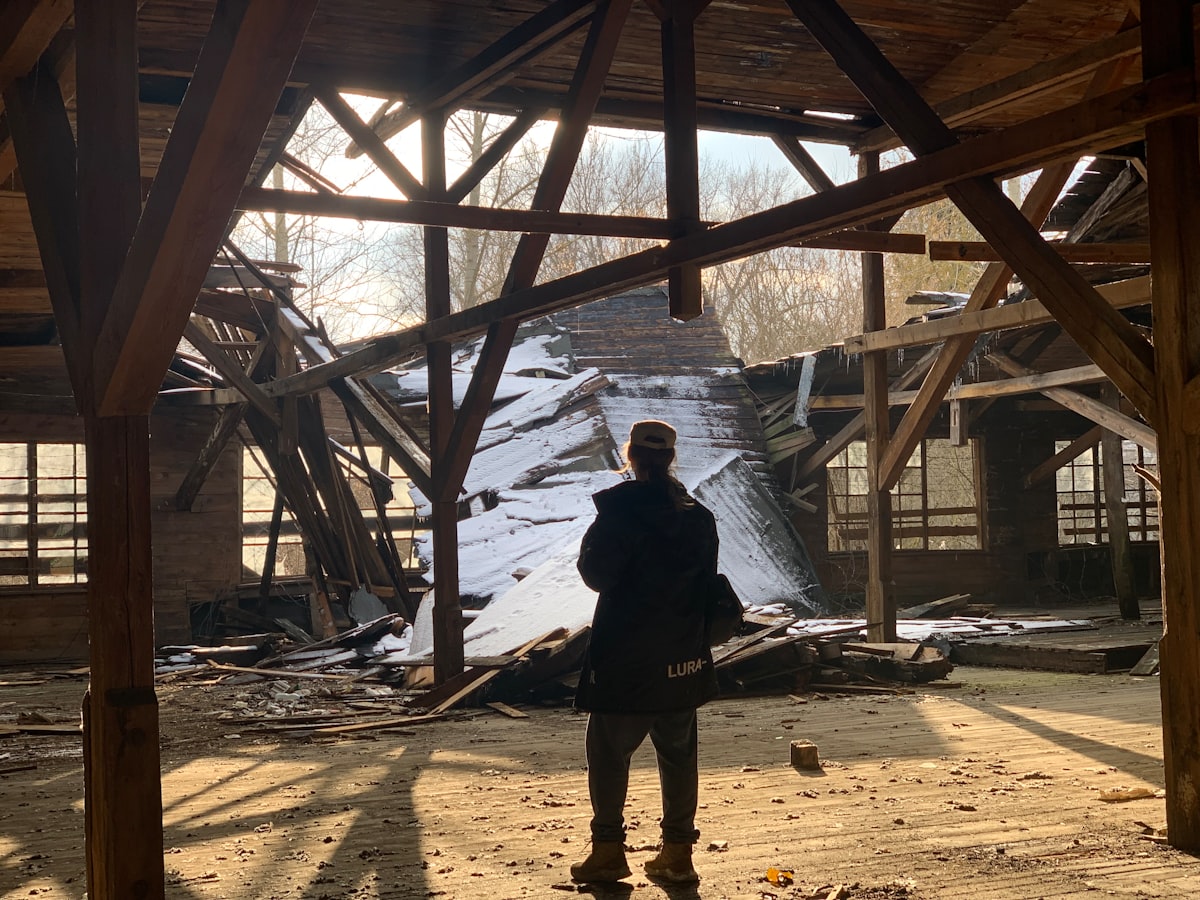
The Journey of a House Fixer: Transforming Forgotten Spaces into Modern Sanctuaries
Walking into a house that has seen better days is a unique experience that requires a specific kind of vision. For many, the sight of cracked plaster, outdated fixtures, and overgrown gardens is a reason to turn away and look for something move-in ready. For the dedicated house fixer, however, these flaws represent a blank canvas full of possibilities. It is about seeing past the grime and the neglect to find the architectural soul hidden beneath years of wear and tear. This passion for restoration goes beyond simple home improvement; it is a commitment to breathing new life into a structure that others might have written off as a lost cause.
The role of a house fixer is multifaceted, combining the skills of a designer, a project manager, and a hands-on laborer. It involves a deep understanding of how buildings work, from the foundation to the roofline. Every creak in the floorboard tells a story, and every layer of old wallpaper reveals a glimpse into the past. Engaging in this process requires patience and a willingness to embrace the unknown, as no two renovation projects are ever the same. The unpredictability is part of the charm, offering a constant stream of challenges that keep the mind sharp and the spirit engaged.
In recent years, the culture surrounding the house fixer has grown significantly, fueled by a desire for authenticity and the satisfaction of manual labor. People are increasingly looking for ways to personalize their living spaces, moving away from cookie-cutter developments in favor of homes with character and history. This trend reflects a broader cultural shift toward sustainability and preservation. By choosing to restore an existing building rather than constructing a new one, individuals are reducing their environmental footprint and helping to maintain the unique fabric of their local neighborhoods.
The emotional journey of a house fixer is just as significant as the physical transformation of the property. There is a profound sense of accomplishment that comes from taking a dilapidated structure and turning it into a beautiful, functional home. It is a process that builds resilience, as the inevitable setbacks and surprises test one's resolve. Yet, the final result—a space that has been meticulously crafted and cared for—provides a level of satisfaction that is hard to find elsewhere. It is a testament to the power of hard work and the enduring value of a well-loved home.
The Vision of a Dedicated House Fixer
The first step for any house fixer is developing the ability to see potential where others see problems. This vision is not something that happens overnight; it is developed through observation and a genuine appreciation for craftsmanship. A house fixer looks at a cramped kitchen and sees the possibility of an open-concept living area. They look at a dark, damp basement and imagine a vibrant home office or a cozy media room. This forward-thinking approach allows them to identify properties that are undervalued simply because they lack modern aesthetics.
Recognizing Potential in Every Corner
Finding the right property involves more than just looking at the price tag. A seasoned house fixer pays close attention to the "bones" of a building. This includes the structural integrity of the walls, the condition of the roof, and the state of the plumbing and electrical systems. While cosmetic issues like ugly carpet or peeling paint are easy to address, fundamental problems require more significant investment. By focusing on homes with solid foundations and interesting layouts, the house fixer can focus their energy on enhancing the aesthetic and functional aspects of the property.
Strategic Planning for Property Restoration
Success in the world of property renovation depends heavily on thorough planning and organization. Before a single hammer is swung, a clear strategy must be in place. This includes defining the scope of the project, establishing a realistic timeline, and identifying which tasks can be handled personally and which require professional intervention. A well-thought-out plan helps to prevent scope creep and ensures that the project stays on track, even when unexpected issues arise.
Budgeting and Financial Management
One of the most critical aspects of being a house fixer is managing the finances. Renovation projects are notorious for going over budget, often due to unforeseen repairs that only become apparent once the work has begun. A smart approach involves setting aside a significant contingency fund—usually around fifteen to twenty percent of the total budget—to cover these surprises. Tracking every expense, from large lumber orders to the smallest boxes of screws, is essential for maintaining financial health throughout the project. By prioritizing high-impact improvements, the house fixer can ensure they are getting the most value for their investment.
The Realities of On-Site Challenges
The life of a house fixer is rarely as glamorous as it appears on television. It involves long hours, dusty environments, and plenty of physical exertion. Dealing with the realities of an old house often means uncovering decades of DIY mistakes from previous owners or finding that the "simple" plumbing fix is actually a major pipe replacement. These moments can be frustrating, but they are also the moments where the most learning occurs. Navigating these roadblocks requires a calm head and a methodical approach to problem-solving.
Structural Integrity and Hidden Issues
When peeling back the layers of an older home, it is common to find hidden issues that require immediate attention. This might include wood rot, pest infestations, or outdated insulation that no longer meets safety standards. Addressing these problems early is vital for the long-term health of the home. A house fixer understands that cutting corners on structural repairs is never an option. Ensuring that the house is safe, dry, and energy-efficient provides the necessary foundation for all the beautiful design work that follows.
Environmental Benefits of Home Restoration
Choosing to be a house fixer is an inherently sustainable act. The construction industry is a major contributor to landfill waste, but restoring an existing home keeps those materials out of the trash. Reusing original features like hardwood floors, solid wood doors, and vintage hardware not only adds character but also reduces the demand for new manufacturing. Furthermore, modernizing the insulation, windows, and heating systems of an old house significantly improves its energy efficiency, leading to a smaller carbon footprint over the life of the building.
Conclusion
The path of a house fixer is one of constant discovery and immense gratification. It is a journey that transforms not just a physical structure, but also the person performing the work. Through the process of demolition and reconstruction, a house fixer gains a deep sense of connection to their environment and a profound appreciation for the effort required to create a home. While the challenges are many, the reward of seeing a once-forgotten property stand tall and proud again is incomparable. Ultimately, being a house fixer is about more than just real estate; it is about the art of renewal and the enduring belief that every house deserves a second chance at greatness.