
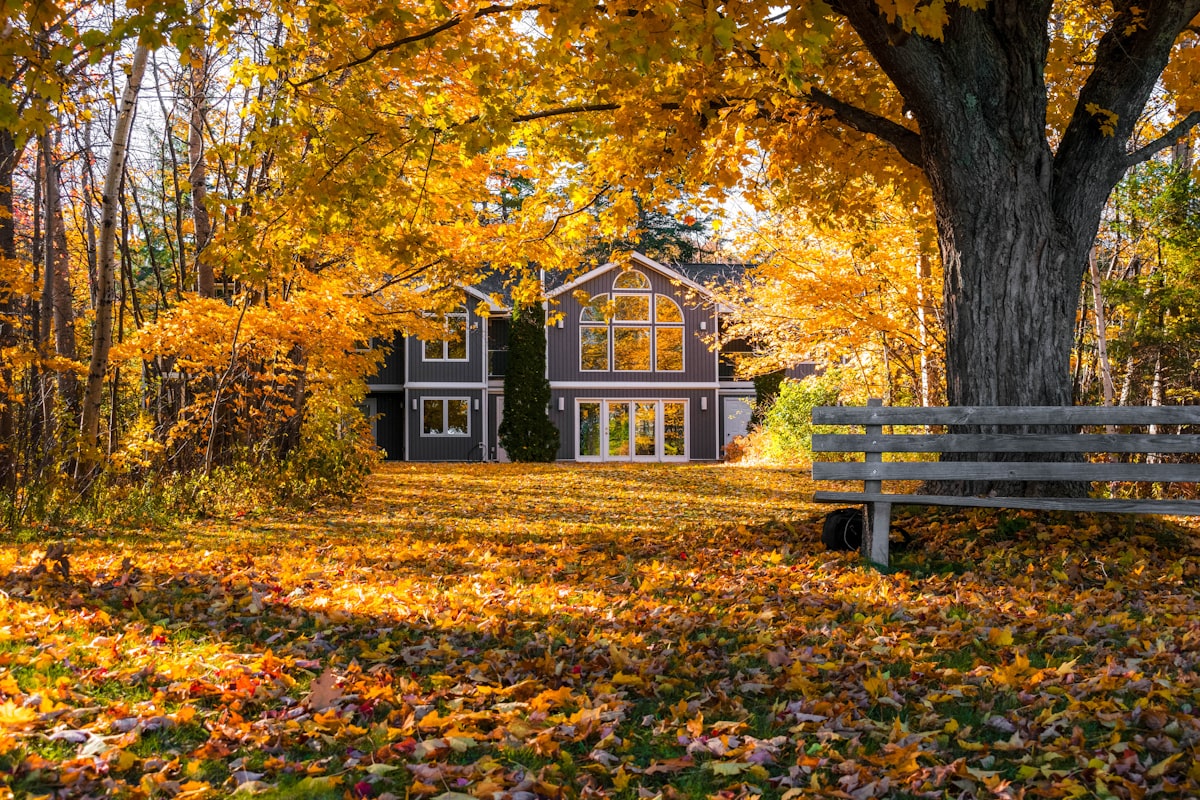
Great Lakes Home Renovations: Enhancing Beauty and Structural Integrity
The Great Lakes region is defined by its dramatic landscapes and seasonal shifts, creating a unique environment for homeowners. From the coastal charm of Michigan’s peninsulas to the historic urban neighborhoods of Ohio and Illinois, the architecture of this area is as diverse as its weather. Great Lakes home renovations often represent a balance between honoring the past and preparing for a sustainable future. As properties age, the need for thoughtful updates becomes apparent, ensuring that these structures remain safe, efficient, and aesthetically pleasing for those who inhabit them.
Property owners in this region face a specific set of challenges that differ from those in the sunbelt or the arid west. The presence of high humidity in the summer and heavy snow loads in the winter means that every renovation project must prioritize durability. It is not merely about changing a paint color or installing new flooring; it is about selecting materials that can expand and contract with temperature fluctuations without losing their structural integrity. This focus on resilience is a hallmark of successful projects throughout the Great Lakes basin.
In recent years, there has been a significant shift toward creating spaces that foster a deeper connection with the outdoors. Even in colder months, the desire for natural light and views of the surrounding landscape remains a top priority for residents. This trend has led to an increase in the installation of large, energy-efficient window walls and the creation of seamless transitions between indoor and outdoor living areas. By rethinking the traditional layout of a home, renovators are able to capture the essence of lakeside living, regardless of the square footage.
Furthermore, the economic landscape of the Great Lakes region has seen a resurgence, with many people choosing to stay and reinvest in their current properties. This commitment to local neighborhoods helps maintain the character of the community while increasing overall property values. A well-executed renovation does more than just benefit the individual homeowner; it contributes to the revitalization of the entire street and city. As more people recognize the value of these historic and mid-century homes, the demand for high-quality renovation services continues to grow.
Embarking on a renovation journey requires a clear vision and an understanding of the regional nuances. From the initial planning stages to the final finishing touches, every decision plays a role in the eventual success of the project. By focusing on quality, efficiency, and timeless design, homeowners can transform their residences into modern masterpieces that pay homage to their Great Lakes roots. The following sections explore the critical elements of this transformative process.
Resilience Against the Elements
The primary concern for any Great Lakes home renovation is the ability of the structure to withstand the local climate. The region is known for its lake effect snow and high winds, which can take a toll on even the most well-built homes. Therefore, the selection of exterior materials is the most critical phase of the renovation process. Homeowners are increasingly turning to advanced composite materials that offer the look of traditional wood without the susceptibility to moisture damage and rot.
Selecting Weather-Resistant Siding
Siding serves as the first line of defense against the elements. In the Great Lakes area, fiber cement siding has become a gold standard. Unlike vinyl, which can become brittle in extreme cold, or wood, which requires constant maintenance, fiber cement is fire-resistant and holds up exceptionally well against heavy rain and snow. It provides a clean, modern aesthetic while offering the peace of mind that the home’s envelope is secure. Additionally, insulated siding options are gaining popularity as a way to add an extra layer of thermal protection, reducing energy loss during the long winter months.
Roofing Systems for Heavy Snow Loads
A roof in the Midwest must do more than just shed water; it must support the weight of significant snow accumulation. During Great Lakes home renovations, upgrading the roofing system often involves reinforcing the rafters and ensuring proper ventilation to prevent ice dams. Metal roofing is an excellent choice for this region because its smooth surface allows snow to slide off easily, and its longevity far exceeds that of traditional asphalt shingles. For those who prefer a classic look, architectural shingles with high wind ratings provide a durable and attractive alternative.
Preserving Architectural Heritage
Many homes in the Great Lakes region possess a unique character that is worth preserving. Whether it is a brick bungalow in Chicago or a Victorian-style home in Grand Rapids, these buildings tell a story. Renovation projects in these contexts often focus on sympathetic restoration, where modern amenities are integrated without erasing the historical soul of the property. This approach requires a keen eye for detail and a respect for original craftsmanship.
Honoring Craftsman and Victorian Details
Restoring original woodwork, stained glass windows, and built-in cabinetry is a common goal for many regional homeowners. When these elements are too damaged to save, custom millwork can replicate the original designs using modern, more stable materials. By maintaining the scale and proportion of the original architecture, a renovation can feel like a natural evolution of the home rather than a jarring departure. This attention to detail ensures that the home retains its charm and market appeal, appealing to buyers who value history and authenticity.
Interior Transformations for Modern Comfort
While the exterior protects the home, the interior defines the daily experience of the inhabitants. Modern Great Lakes home renovations often involve stripping away dated layouts in favor of open, airy spaces. The goal is to create a home that feels connected and functional, accommodating the needs of contemporary families who cook, work, and relax in shared environments.
Open Concept Living and Natural Light
Older homes in the region were often designed with many small, partitioned rooms to help contain heat. With modern HVAC systems, these walls can often be removed to create a more expansive feel. Incorporating large windows and skylights is another essential strategy. During the gray winter months, the influx of natural light can significantly improve the mood and ambiance of the home. Light-colored finishes and reflective surfaces further enhance this effect, making even smaller homes feel spacious and welcoming.
High-Performance Kitchens
The kitchen remains the focal point of home life. In this region, renovations often prioritize large islands for gathering and high-end appliances that can handle heavy use during the indoor season. Quartz countertops are a popular choice for their durability and ease of maintenance. Additionally, smart home technology is being integrated into kitchen designs, from touchless faucets to energy-efficient induction cooktops, providing a blend of convenience and modern style.
Sustainable Upgrades for Year-Round Efficiency
Energy efficiency is a major driver for Great Lakes home renovations. With rising utility costs and a growing awareness of environmental impact, homeowners are looking for ways to reduce their carbon footprint. This starts with a high-performance building envelope. Spray foam insulation is frequently used in attics and crawl spaces to create an airtight seal, preventing drafts and reducing the workload on furnaces and air conditioners.
Furthermore, the installation of high-efficiency heat pumps and smart thermostats allows for precise control over the indoor climate. These systems are designed to operate effectively even in the sub-zero temperatures common to the Great Lakes states. By investing in these technologies during a renovation, property owners can enjoy lower monthly bills and a more comfortable living environment year-round. Water conservation is also a consideration, with low-flow fixtures and gray-water systems becoming more common in eco-conscious renovation projects.
Conclusion
Undertaking Great Lakes home renovations is a rewarding endeavor that blends practical necessity with creative expression. By addressing the unique challenges of the regional climate and respecting the architectural history of the area, homeowners can create spaces that are both beautiful and resilient. Whether the focus is on improving energy efficiency, restoring historic charm, or creating a modern open-concept interior, the results of a well-planned renovation provide lasting value. As the region continues to evolve, these revitalized homes will stand as pillars of the community, offering comfort and inspiration for many years to come.