
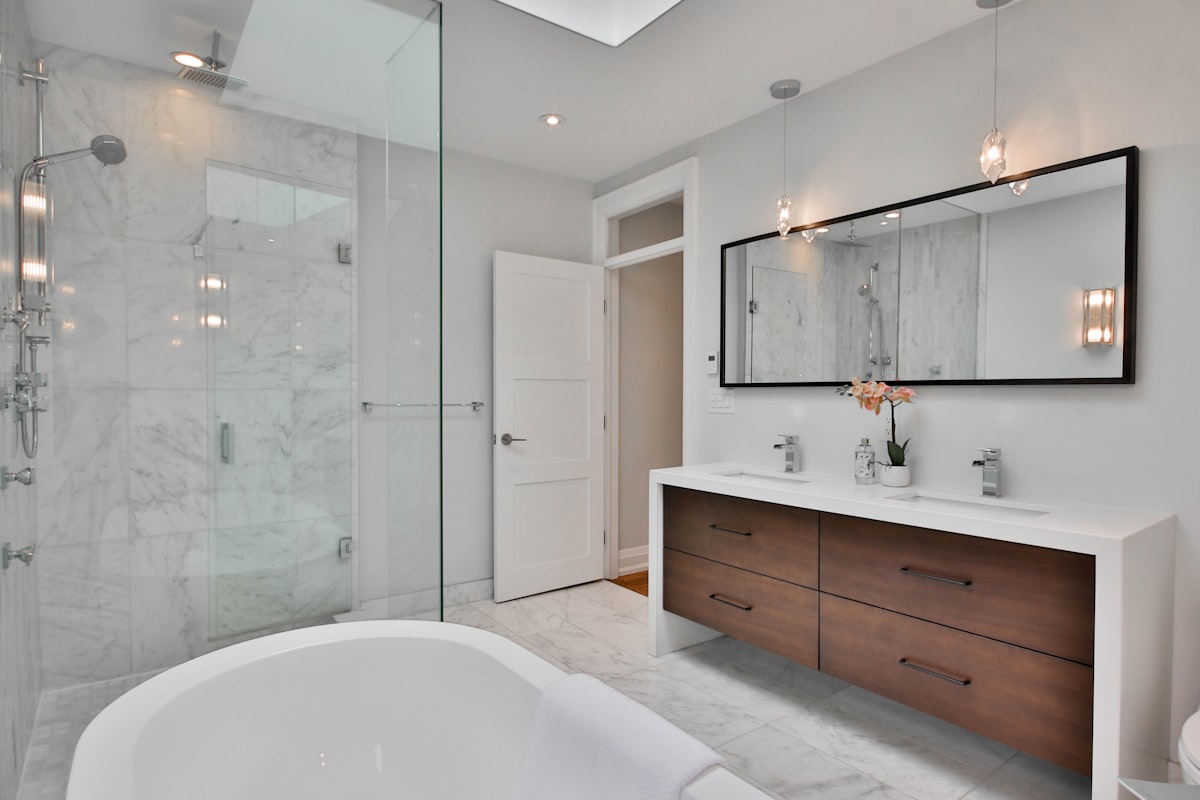
The Complete Bathroom Remodel: Planning, Design, and Execution
The bathroom is often the unsung hero of the modern home. It is the first place you visit in the morning to prepare for the day ahead, and the last place you unwind before turning in for the night. Over time, however, what was once a functional and pleasant space can become dated, worn, or simply misaligned with your lifestyle. When cosmetic updates like a new mirror or a fresh coat of paint no longer suffice, it is time to consider a more comprehensive transformation.
A complete bathroom remodel represents a significant undertaking that goes far beyond surface-level aesthetics. This process involves stripping the space down to its core components, often addressing hidden structural issues, updating outdated plumbing, and reimagining the layout to improve flow and utility. It is an opportunity to start with a clean slate, turning a purely utilitarian room into a personal sanctuary of comfort and style.
Homeowners embark on this journey for various reasons, ranging from fixing water damage to upgrading old fixtures for water efficiency. Beyond the immediate practical benefits, a well-executed renovation significantly boosts a property's market value. Real estate experts consistently note that updated bathrooms are among the highest-yielding investments a homeowner can make, offering a strong return on investment when it comes time to sell.
However, the path to a beautifully renovated bathroom requires careful orchestration. Because this space combines water, electricity, structural integrity, and high-end finishes in a relatively small footprint, the margin for error is slim. Understanding the phases of construction, the critical decisions involved, and the common pitfalls to avoid is essential for turning your design dreams into a tangible reality.
By taking a structured approach to this major home improvement project, you can navigate the complexities of design, budgeting, and construction with confidence. Whether you plan to hire a team of seasoned professionals or manage parts of the project yourself, a clear understanding of the entire process ensures a smoother timeline and a spectacular final result that you will enjoy for decades.
Essential Planning and Layout Decisions
Before a single tile is chipped away, successful projects begin with meticulous planning. This phase is where your aesthetic desires meet the physical and financial realities of your home.
Assessing Flow and Spatial Configuration
The layout of your bathroom dictates how comfortably you can move within the space. If your current layout feels cramped, a complete overhaul allows you to relocate major fixtures like the toilet, shower, or vanity. Moving plumbing lines can increase costs, but the improvement in usability is often worth the investment. Consider the swing of the door, the clearance around the toilet, and the distance between the sink and the shower to ensure a natural, unobstructed flow.
Setting a Realistic Project Budget
Finances are the foundation of any renovation. A comprehensive budget should account not only for visible materials like tile and faucets but also for hidden costs. Labor, permits, and structural repairs often consume a significant portion of the funds. A good rule of thumb is to set aside a contingency fund of fifteen to twenty percent of your total budget to cover unexpected issues, such as discovering mold or outdated wiring behind the walls.
Selecting Materials and Fixtures for Longevity
Bathrooms are unique environments subjected to high humidity, temperature fluctuations, and daily wear. Choosing materials that are both beautiful and durable is crucial to ensuring your investment stands the test of time.
Investing in Quality Plumbing Fixtures
Fixtures are the workhorses of the bathroom. While it may be tempting to save money on cheap faucets and showerheads, low-quality fixtures often leak or tarnish quickly. Opting for solid brass construction and ceramic disc valves ensures long-term reliability. Additionally, modern low-flow toilets and showerheads can drastically reduce your household water consumption without sacrificing performance.
Choosing Durable Surfaces and Tiles
Flooring and wall coverings must withstand constant moisture. Porcelain and ceramic tiles remain the gold standard due to their water resistance, durability, and endless design options. Natural stone offers a luxurious look but requires regular sealing and maintenance. For vanities and countertops, quartz has become immensely popular because it is non-porous, stain-resistant, and does not require sealing like granite or marble.
Integrating Proper Ventilation and Lighting
A beautiful bathroom can quickly fall victim to mold and mildew without adequate ventilation. Installing a high-capacity, quiet exhaust fan is non-negotiable for preserving your new finishes and maintaining air quality. Lighting is equally critical; a successful design incorporates layered lighting, including task lighting around the vanity mirror, ambient overhead lighting, and accent lighting in the shower to create a warm, inviting atmosphere.
Navigating the Construction Phase
Once the plans are finalized and materials are ordered, the physical transformation begins. This phase requires patience, coordination, and a clear sequence of operations.
Demolition and Structural Assessment
The demolition phase is exciting but messy. Tearing out old drywall, flooring, and fixtures reveals the true state of the room's skeleton. This is the moment when contractors inspect the subfloor for water damage, check the wall studs for rot, and ensure the structural integrity is sound before building anything new. Addressing these issues now prevents catastrophic failures in the future.
Rough-In Plumbing and Electrical Work
With the walls open, licensed professionals can install new plumbing lines and electrical wiring. This is when outlets are placed according to modern safety codes, such as installing Ground Fault Circuit Interrupter (GFCI) outlets near water sources. It is also the ideal time to add luxury upgrades like underfloor heating systems or in-wall toilet tanks that save floor space.
Waterproofing and Tile Installation
Waterproofing is the most critical step in the entire construction process. Applying a continuous waterproof barrier behind the tiles in wet areas prevents moisture from seeping into the framing. Once the waterproofing is verified, tile installation can begin. This meticulous process requires skill to ensure straight grout lines, proper drainage slopes in the shower pan, and a flawless finish.
Installing Trim and Final Fixtures
The final stage of construction brings the entire vision together. This involves installing the vanity, mounting the toilet, hanging mirrors, and connecting the plumbing trim. After the paint dries and the final cleanup is complete, the space transitions from a construction zone back into a functional, beautiful room.
Conclusion
A complete bathroom remodel is a major journey that demands careful thought, a realistic budget, and a dedication to quality craftsmanship. While the construction phase can temporarily disrupt your daily routine, the reward of a custom-tailored, highly functional, and beautiful space is well worth the effort. By prioritizing durable materials, efficient layouts, and proper waterproofing, you ensure that your new bathroom remains a source of comfort, utility, and pride for many years to come.